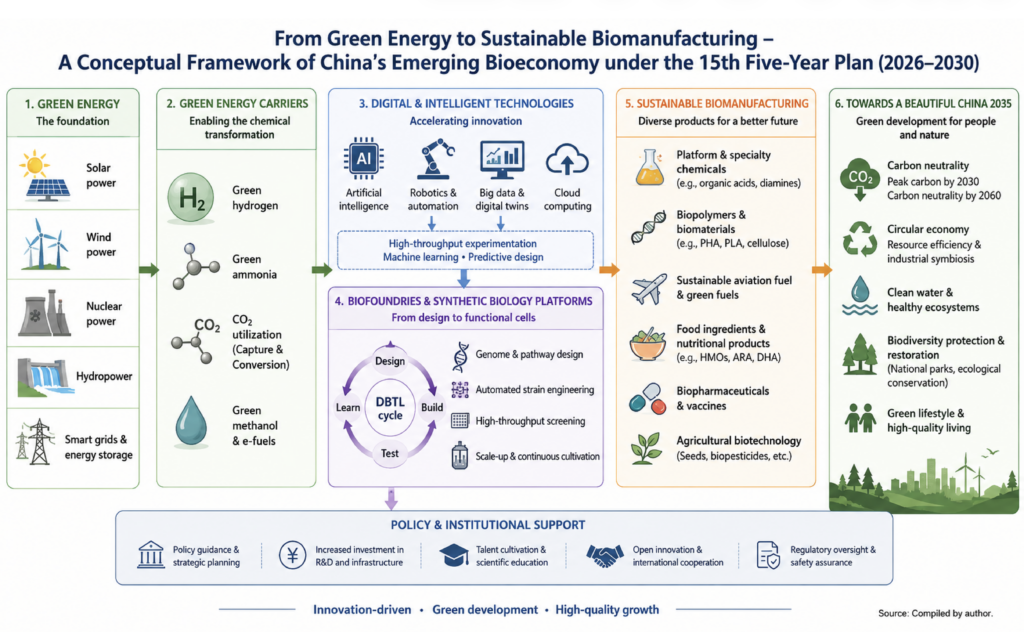
QIBEBT-led consortium achieves bacterial degradation of PET bottles to provide terephtalic acid in 97% yield

http://english.qibebt.cas.cn/ne/rp/202502/t20250218_902019.html

https://www.sciencedirect.com/science/article/abs/pii/S030438942500353X?via%3Dihub

https://enviromicro-journals.onlinelibrary.wiley.com/doi/10.1111/1751-7915.13580

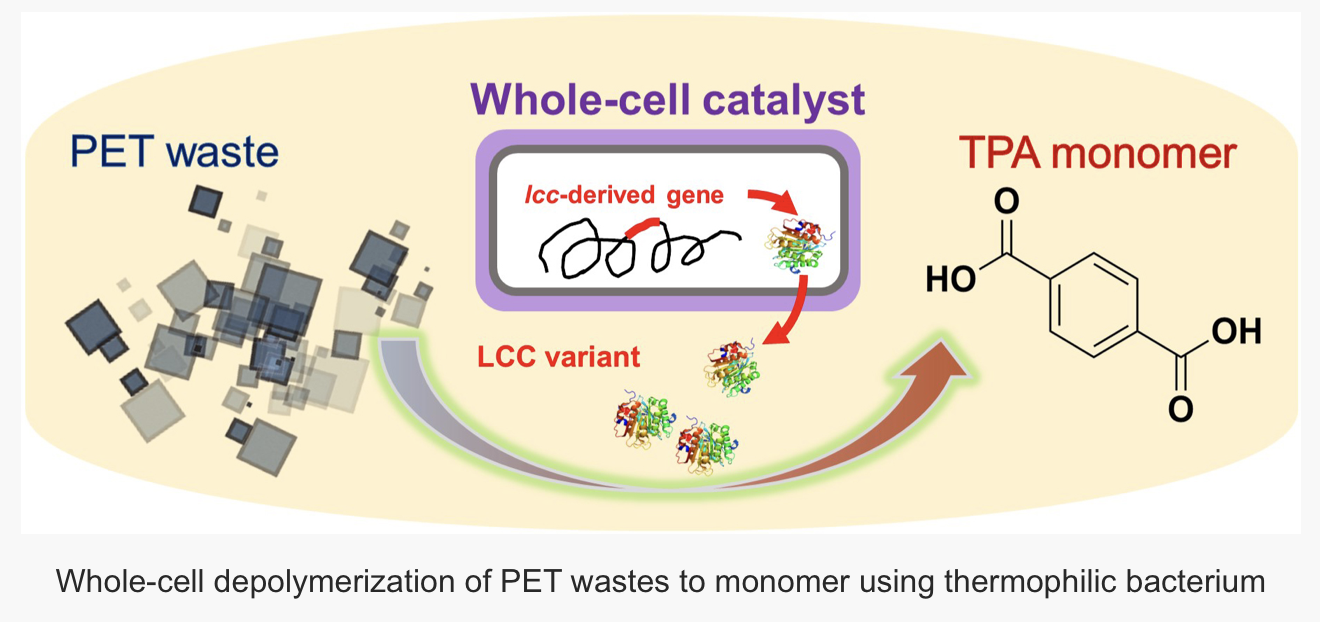
A research team from the Qingdao Institute of Bioenergy and Bioprocess Technology of the Chinese Academy of Sciences, in collaboration with Nanjing Tech University and Greifswald University, has introduced an innovative solution for the depolymerization of polyethylene terephthalate (PET). This solution utilizes an engineered whole-cell biocatalyst based on the thermophilic bacterium Clostridium thermocellum.

This study builds on prior work, where the research team first demonstrated the concept of whole-cell catalytic PET depolymerization. In that study, the genetically engineered C. thermocellum expressed leaf compost cutinase (LCC) via a plasmid for high-temperature PET depolymerization.

In this study, the researchers integrated LCC directly into the chromosome of C. thermocellum, ensuring stable enzyme expression. They further enhanced the system by introducing LCC variants and co-expressing hydrophobic modules.

By optimizing reaction conditions and controlling pH, the researchers achieved a significant improvement in PET depolymerization efficiency with minimal accumulation of the intermediate product mono(2-hydroxyethyl) terephthalate (MHET).

When tested with pretreated PET bottle particles, about 97% of the added PET was converted into terephthalic acid (TPA), a key monomer used in producing new plastics or high-value chemicals. This high level of performance positions the system as a promising green solution for PET recycling.

Additionally, C. thermocellum is naturally capable of degrading cellulose, making it a potential candidate for directly processing mixed textile waste that contains cotton fibers and PET.
more insights

https://www.sciencedirect.com/science/article/pii/S2950155525000667?via%3Dihub

https://www.cas.cn/syky/202511/t20251125_5089765.shtml

A research team at the CAS Tianjin Institute of Industrial Biotechnology has proposed a novel artificial carbon fixation pathway—LATCH which comprises 10 completely known enzymatic steps. Each cycle converts two molecules of HCO₃⁻ into one molecule of acetyl-CoA, requiring only adenosine triphosphate (ATP) and reduced coenzyme II for energy. Kinetic and thermodynamic modeling analysis shows that it is a linear autocatalytic cycle structure without kinetic traps or thermodynamic barriers, possessing high feasibility and potential for continued development. It can provide insights for improving the efficiency of systems such as photosynthetic microorganisms, plants, and engineered cell factories.

Regarding the selection of parental modules, the research team referenced research on the serine cycle and designed a modified version of the serine cycle, simplifying the pathway structure and bypassing the inefficient steps involving hydroxypyruvate, thus enabling the pathway to function effectively in the heterologous host *E. coli*. Simultaneously, the team replaced the amino acid deamination and transamination steps in the serine cycle with a decarboxylation process, forming an MCG cycle free from formic acid dependence. This cycle can further convert glycerate 3-phosphate produced by processes such as the Calvin cycle and glycolysis into acetyl-CoA in a negative carbon mode. The study also referenced a series of photorespiration bypass concepts developed for recovering the Rubisco byproduct glycolate-2-phosphate, among which the TaCo module, due to its artificial carboxylation reaction, theoretically has a maximum yield of 150%. This study found that by introducing glyoxylate reductase as a key step to act as a “molecular latch,” the natural serine cycle and the artificially carboxylated module TaCo can be recombined, resulting in a functional transformation—from two parent modules dependent on organic substrates to a complete carbon-fixing cycle.

Based on the LATCH cycle formed by module integration, kinetic analysis shows that this pathway is a linear autocatalytic cycle, theoretically avoiding kinetic traps while eliminating the need to establish complex regulatory relationships. Meanwhile, eight steps in the pathway receive thermodynamic support from adenosine triphosphate (ATP), reducing power, or high-energy substrates, and the remaining two lyase-catalyzed processes do not pose thermodynamic bottlenecks. These inherent advantages at the stoichiometric, kinetic, and thermodynamic levels lay the foundation for the continued development and application of LATCH.

https://www.nature.com/nature-index/supplements/nature-index-2025-science-cities/tables/overall

https://en.people.cn/n3/2025/1118/c90000-20391615.html

The newly released “Nature Index 2025 Science Cities” supplement shows that the number of Chinese cities in the global top ten rose from five in 2023 to six in 2024, marking the first time China holds a majority in the rankings.

The supplement draws on the Nature Index database, which tracks research articles published from 2015 to 2024. Its analysis uses “Share”, a fractional count reflecting institutional contribution to publications, as the primary metric, with time-series data adjusted to 2024 levels. Each city’s Share is calculated by summing the contributions of all affiliated institutions located within that city.

According to the Nature Index, the world’s leading science cities overall are: Beijing, Shanghai, New York metropolitan area (U.S.), Boston metropolitan area (U.S.), Nanjing (China), Guangzhou (China), San Francisco Bay Area (U.S.), Wuhan (China), Baltimore-Washington metropolitan area (U.S.), and Hangzhou (China).

Further analysis shows that Chinese cities hold a strong advantage in chemistry, physical sciences, and earth and environmental sciences, leading the global rankings in all three fields. Notably, Chinese cities claimed all of the top ten positions in chemistry for the first time. In the other two subject areas, they secured six of the top ten spots, with Beijing ranking first worldwide across all three domains.

European cities in the ranking start at 19 (London), followed by Zurich (28), Cambridge (29), Munich (30) and Berlin (32), following Qingdao at position 31.

Green Carbon is a Quarterly Scientific Open Access Journal published by KeAi and Elsevier https://www.sciencedirect.com/journal/green-carbon

The editorial office is located at the CAS Qingdao Institute of Bioenergy and Environmental Technology, Qingdao, China. The international advisory board has 55 members, including 23 from Europe.

Since September 2093, it has published 108 articles through 9 issues.

Special issue topics included

  • Green biomanufacturing
  • Green chemical catalysis
  • Green photoelectric catalysis
  • C1 conversion
  • Green carbon biomanufacturing

Green Carbon is indexed by CAS, SCOPUS (immediate citescore: 14,9), DOAJ, and under full editorial evaluation for inclusion in the ESCI index.

Until now and probably throughout 2026, Green Carbon operates an APC policy free-of-charge

 Beyond a journal, Green Carbon, through its host institute CAS QIBEBT, has developed into an international academic exchange platform, which has hosted recent conferences on Green Carbon, Phototrophic Prokaryotes, Clostridia and more, see http://english.qibebt.cas.cn

For further information, consult with the Green Carbon website https://www.sciencedirect.com/journal/green-carbon or with the Green Carbon Offices in Germany through https://window-to-china.de/green_carbon/

Back to …